3 Essential Steps to Creating a Will
Follow these 3 essential steps to create a comprehensive will, ensuring your assets are distributed according to your wishes.
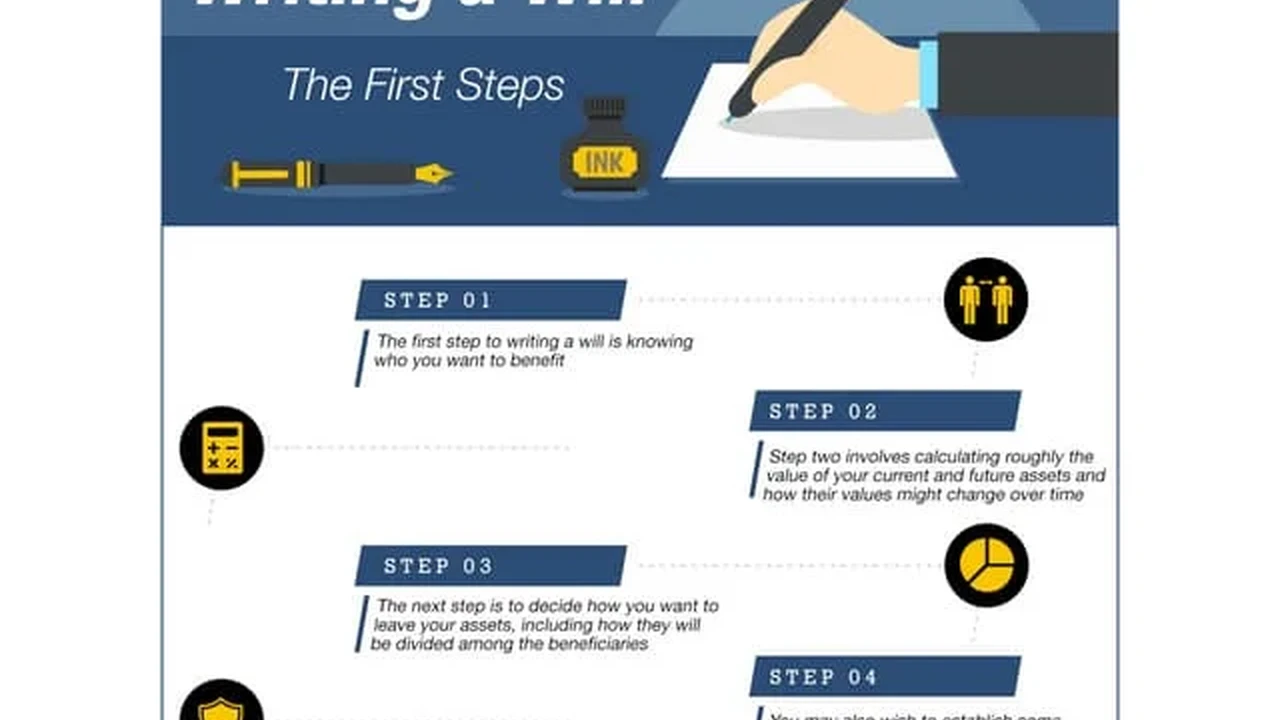
Follow these 3 essential steps to create a comprehensive will, ensuring your assets are distributed according to your wishes.
3 Essential Steps to Creating a Will
Let's be real, talking about wills isn't exactly a party starter. It's one of those 'adulting' tasks that often gets pushed to the bottom of the to-do list, right alongside cleaning out the garage or finally organizing those digital photos. But here's the thing: creating a will is one of the most crucial steps you can take to protect your loved ones and ensure your wishes are honored after you're gone. It's not just for the super-rich or the elderly; if you own anything of value, have dependents, or simply care about what happens to your stuff and your legacy, a will is absolutely essential. Think of it as your final say, a clear roadmap for your family during what will undoubtedly be a difficult time. Without one, the state decides who gets what, and that might not align with what you truly want. So, let's dive into the three essential steps to creating a will, making this often-dreaded task a little less daunting and a lot more manageable.
Understanding the Importance of a Last Will and Testament
Before we get into the 'how-to,' let's quickly touch on the 'why.' A Last Will and Testament is a legal document that outlines how you want your assets distributed, who will care for your minor children, and who will manage your estate after your passing. It's your voice when you can no longer speak. Without a will, your estate is considered 'intestate,' and state laws will dictate the distribution of your assets. This process, known as probate, can be lengthy, expensive, and often doesn't reflect your personal wishes. Imagine your prized antique collection going to a distant relative you barely know, or worse, your children's guardianship being decided by a court rather than by your chosen loved ones. A will prevents these scenarios, offering peace of mind and clarity for your family. It's not about planning for death; it's about planning for life – the lives of those you leave behind.
Step 1 Gathering Your Essential Information and Documents for Estate Planning
Alright, let's roll up our sleeves and get practical. The first step in creating a will is all about preparation. You need to gather all the necessary information and documents. This might seem like a lot, but breaking it down makes it much easier. Think of it as compiling your financial and personal life's greatest hits. Here’s a checklist to get you started:
Personal Information and Family Details
- Your full legal name and any previous names.
- Your current address.
- Full legal names and addresses of your spouse or partner.
- Full legal names and dates of birth for all your children, including adopted children.
- Names and contact information for potential guardians for minor children.
- Names and contact information for your chosen executor(s) – the person or people who will carry out your will's instructions.
- Names and contact information for your beneficiaries – the people or organizations who will receive your assets.
Asset Inventory and Financial Records
This is where you list everything you own. Be thorough! It's not just about big-ticket items.
- Real Estate: Addresses and legal descriptions of all properties you own (homes, land, vacation properties).
- Bank Accounts: Account numbers and bank names for checking, savings, and money market accounts.
- Investment Accounts: Brokerage accounts, mutual funds, stocks, bonds, retirement accounts (401k, IRA, Roth IRA), and any other investment vehicles.
- Life Insurance Policies: Policy numbers, company names, and beneficiaries.
- Vehicles: Cars, boats, motorcycles, RVs – include make, model, year, and VIN.
- Valuables: Jewelry, art, collectibles, antiques, firearms, expensive electronics. Consider taking photos and getting appraisals for high-value items.
- Business Interests: Details of any businesses you own, including partnerships or sole proprietorships.
- Digital Assets: This is increasingly important! Think about social media accounts, email accounts, cryptocurrency, online banking, domain names, and any other digital property. You'll need to consider how these can be accessed and managed.
- Debts: Mortgages, car loans, credit card debts, personal loans, student loans. While a will primarily deals with assets, it's good to have a clear picture of your liabilities.
Specific Bequests and Charitable Contributions
Do you have specific items you want to go to specific people? This is the time to think about it.
- List any specific gifts of property or money you want to leave to particular individuals or charities. For example, 'My grandmother's antique watch to my niece, Sarah.'
- If you plan to make charitable donations, list the organizations and the specific amounts or assets.
Gathering all this can feel like a big project, but it's the foundation of a solid will. Take your time, go through old statements, and make sure nothing is missed. This comprehensive list will be invaluable for your next step.
Step 2 Drafting Your Will Choosing the Right Method and Legal Guidance
Once you've got all your ducks in a row with your information, it's time to actually draft the will. This is where many people get stuck, wondering whether to go DIY or seek professional help. Let's break down your options for drafting your will, keeping in mind the importance of legal accuracy and peace of mind.
Option A Online Will Services and DIY Kits
For many, especially those with straightforward estates, online will services or DIY kits can be an attractive, cost-effective option. These platforms guide you through a series of questions and then generate a legally valid will based on your answers and state laws. They're generally much cheaper than hiring an attorney, often ranging from $50 to $200.
Popular Online Will Services for US and Southeast Asian Residents
- LegalZoom: A well-known platform offering comprehensive legal documents, including wills. They have a user-friendly interface and offer different packages, some with attorney review options. Prices for a Last Will and Testament typically start around $89 for basic documents, with more comprehensive estate plans costing more. They cater primarily to US law.
- Rocket Lawyer: Similar to LegalZoom, Rocket Lawyer provides customizable legal documents and access to legal advice. Their will service is part of a broader legal plan, often starting with a free trial, then around $39.99/month or annual plans. Also primarily US-focused.
- Trust & Will: This service specializes specifically in estate planning documents, including wills and trusts. They are known for their modern interface and clear guidance. A basic will package starts around $89. Again, primarily US-centric.
- FreeWill: A fantastic option for those looking for a completely free will. FreeWill partners with non-profits and allows users to create a legally valid will for free, with an option to include charitable bequests. It's a great way to get a basic will done without cost, but it might not cover complex situations. US only.
- Local Online Services (Southeast Asia): For Southeast Asian markets, options can be more localized. For example, in Singapore, platforms like SimplyWills or WillCraft offer online will drafting services tailored to Singaporean law, with prices ranging from SGD 150-300. In Malaysia, services like Rockwills offer online options alongside traditional services. It's crucial to ensure the service you choose is compliant with the specific laws of your country or region.
When DIY Might Be a Good Fit
- Your estate is relatively simple (e.g., you own a home, a few bank accounts, and have clear beneficiaries).
- You have no complex family situations (e.g., blended families, dependents with special needs).
- You are comfortable following instructions carefully and ensuring all legal requirements (like witnessing) are met.
Potential Pitfalls of DIY Wills
- State-Specific Laws: Laws regarding wills vary significantly by state (in the US) and by country (in Southeast Asia). A generic template might not meet all local requirements, rendering your will invalid.
- Complexity: If your estate is complex, or you have specific wishes (e.g., setting up a trust for a child, disinheriting a family member), a DIY will might not adequately address these nuances.
- Lack of Legal Advice: Online services don't provide personalized legal advice. You might miss crucial considerations or make mistakes that only an attorney would catch.
- Execution Errors: Even if the document is perfectly drafted, improper execution (e.g., not having enough witnesses, or witnesses who are also beneficiaries) can invalidate the will.
Option B Hiring an Estate Planning Attorney
For many, especially those with more complex situations, hiring an estate planning attorney is the gold standard. While it's a greater upfront cost, the peace of mind and legal accuracy can be invaluable.
When to Hire an Attorney for Your Will
- You have a large or complex estate (multiple properties, significant investments, business interests).
- You have minor children and need to appoint guardians.
- You have a blended family or other complex family dynamics.
- You want to disinherit a family member.
- You have dependents with special needs who require a special needs trust.
- You own property in multiple states or countries.
- You have significant tax concerns.
- You want to establish trusts (e.g., living trusts, charitable trusts).
- You simply want the assurance that everything is done correctly and legally sound.
Benefits of Professional Legal Guidance
- Expertise: Attorneys specialize in estate law and are up-to-date on all relevant state and federal regulations.
- Customization: They can tailor your will and estate plan to your unique circumstances and wishes, addressing complexities that online services might miss.
- Tax Planning: An attorney can help you structure your estate to minimize estate taxes and other fees.
- Avoidance of Pitfalls: They can identify potential issues and help you avoid common mistakes that could invalidate your will or lead to disputes.
- Comprehensive Planning: Beyond just a will, an attorney can help you with other essential documents like living wills, powers of attorney, and trusts, creating a holistic estate plan.
Cost Considerations for Attorney Services
The cost of hiring an attorney for a will can vary widely based on location, the complexity of your estate, and the attorney's experience. In the US, a basic will might cost anywhere from $300 to $1,000. A more comprehensive estate plan, including trusts and other documents, could range from $2,000 to $5,000 or more. In Southeast Asia, costs will also vary. For example, in Singapore, a basic will might cost SGD 300-800, while a more complex one could be SGD 1,000-3,000. Always ask for a clear fee structure upfront.
Regardless of whether you choose a DIY option or an attorney, ensure your will clearly states your wishes regarding your assets, guardians for minor children, and your chosen executor. Clarity is key to avoiding future disputes.
Step 3 Executing and Storing Your Will Ensuring Legal Validity and Accessibility
You've gathered your information, you've drafted your will – congratulations! But you're not quite done yet. The final, and arguably most critical, step is properly executing and storing your will. An improperly executed will is as good as no will at all, and a will that can't be found is equally useless. This step ensures your document is legally binding and accessible when it's needed most.
Proper Execution of Your Will Legal Requirements
This is where state and country laws become extremely important. While specifics vary, there are common requirements for a will to be legally valid:
Signing Your Will
You, the testator (the person making the will), must sign the will. This signature typically needs to be at the end of the document. Some jurisdictions require you to initial each page. It's crucial that you are of sound mind when you sign, meaning you understand what you are signing and its implications.
Witness Requirements
Most jurisdictions require your will to be signed in the presence of witnesses. The number of witnesses typically ranges from two to three, and they usually must be adults (over 18) and 'disinterested parties.' A disinterested party means someone who is not a beneficiary in your will and will not inherit anything from your estate. If a beneficiary acts as a witness, it could invalidate their inheritance or even the entire will. The witnesses must also sign the will in your presence and in each other's presence.
Notarization (Optional but Recommended)
While not always legally required for a will to be valid, notarization can add an extra layer of legal protection. A notary public verifies your identity and witnesses your signature. Some states allow for a 'self-proving affidavit,' which is a notarized statement signed by you and your witnesses, affirming that the will was properly executed. This can streamline the probate process by avoiding the need for witnesses to testify in court later on.
Specific Requirements for US States and Southeast Asian Countries
- United States: Each state has its own specific requirements. For example, most states require two witnesses, but some have additional rules. It's vital to check the laws of your specific state of residence.
- Singapore: Requires two witnesses, both of whom must be 21 years or older and not beneficiaries or spouses of beneficiaries.
- Malaysia: Requires two witnesses, both of whom must be 18 years or older and not beneficiaries or spouses of beneficiaries.
- Thailand: Requires two witnesses, and the will must be made in writing and signed by the testator in the presence of at least two witnesses.
- Philippines: Requires at least three credible witnesses, and the will must be attested and subscribed by them in the presence of the testator and of one another.
This is why using a reputable online service or, even better, an attorney, is so important – they will ensure these specific legal requirements are met.
Secure Storage and Accessibility of Your Will
Once your will is properly executed, where do you keep it? This is just as important as its creation. You need a place that is secure, protected from damage, and easily accessible to your executor when the time comes.
Recommended Storage Locations
- Fireproof Safe at Home: A good option for security and immediate access. Make sure your executor knows where it is and how to access it (e.g., combination or key location).
- Safe Deposit Box: This offers excellent security against theft and damage. However, there's a catch: safe deposit boxes are often sealed upon the owner's death, and it can take a court order to access them. If you use one, ensure your executor is a joint owner or has clear legal authority to access it.
- Attorney's Office: Many estate planning attorneys offer to store original wills for their clients. This is a very secure option, and your attorney will know exactly what to do when the time comes.
- County Probate Court (in some jurisdictions): Some jurisdictions allow you to file your original will with the probate court for safekeeping. Check if this is an option in your area.
What to Avoid
- Keeping it a Secret: Don't hide your will in a place no one knows about. Your executor needs to find it!
- Storing it Electronically Only: While digital copies are great for reference, most jurisdictions require an original, wet-ink signed document for probate.
- Leaving it in an Unprotected Location: A drawer, a bookshelf, or under your mattress are not secure places. Fire, flood, or theft could destroy it.
Communicating with Your Executor and Family
This is perhaps the most overlooked part. You need to:
- Inform Your Executor: Tell your chosen executor that they have been named and where the original will is stored. Provide them with a copy for their records.
- Inform Key Family Members: Let your spouse, adult children, or other trusted family members know that you have a will and who your executor is. They don't need to know the contents, but they need to know it exists and how to find it.
- Create a Letter of Instruction: This isn't legally binding like a will, but it's incredibly helpful. It can include details like:
- Location of important documents (birth certificates, marriage licenses, insurance policies).
- Contact information for your attorney, financial advisor, and accountant.
- Login details for digital accounts (or instructions on how to access them).
- Funeral and burial wishes.
- Any personal messages to loved ones.
Reviewing and Updating Your Will Life Changes and Estate Planning
A will isn't a 'set it and forget it' document. Life happens! Marriages, divorces, births, deaths, significant changes in assets, or even changes in tax laws can all impact the effectiveness of your will. It's a good practice to review your will every 3-5 years, or whenever a major life event occurs. This ensures it remains current and accurately reflects your wishes. Updating a will can be done through a 'codicil' (an amendment) for minor changes, or by drafting an entirely new will if changes are substantial.
By following these three essential steps – gathering your information, drafting your will carefully, and ensuring its proper execution and secure storage – you'll have created a robust plan that protects your legacy and provides immense comfort to your loved ones during a difficult time. It's a gift of foresight and love, truly.
:max_bytes(150000):strip_icc()/277019-baked-pork-chops-with-cream-of-mushroom-soup-DDMFS-beauty-4x3-BG-7505-5762b731cf30447d9cbbbbbf387beafa.jpg)