3 Essential Steps to Financial Independence
Follow these 3 essential steps to achieve financial independence, giving you freedom and control over your life.

Follow these 3 essential steps to achieve financial independence, giving you freedom and control over your life.
3 Essential Steps to Financial Independence
Hey there! Ever dream of a life where money isn't a constant worry? Where you have the freedom to make choices based on what truly matters to you, not just what your paycheck dictates? That, my friend, is financial independence. It's not about being a millionaire (though that's cool too!), but about having enough passive income to cover your living expenses, giving you ultimate control over your time and decisions. It's a journey, not a destination, and it's totally achievable. Let's break it down into three essential steps that can get you there.
Step 1: Master Your Money Mindset and Budgeting Basics
Before you can build wealth, you've got to get your head straight about money. This isn't just about numbers; it's about psychology. Many people struggle with money because of ingrained beliefs, fear, or simply a lack of understanding. Changing your money mindset is the first, and arguably most crucial, step.
Understanding Your Relationship with Money
Think about it: what are your earliest memories of money? Were they positive or negative? Did your parents talk about money openly, or was it a taboo subject? These early experiences often shape our adult financial behaviors. For example, if you grew up in scarcity, you might be prone to overspending when you finally have money, or conversely, hoarding it out of fear. Recognizing these patterns is the first step to breaking free from them.
A great way to start is by reading books on money psychology. One fantastic recommendation is 'The Psychology of Money' by Morgan Housel. It's not a how-to guide, but rather a collection of short stories exploring the strange ways people think about money. It's super insightful and helps you understand why we do what we do with our finances. Another classic is 'Rich Dad Poor Dad' by Robert Kiyosaki, which challenges conventional wisdom about money and wealth. These books aren't about specific investments, but about the foundational thinking that leads to financial success.
Creating a Realistic and Sustainable Budget
Once your mindset is shifting, it's time to get practical with a budget. I know, I know, 'budget' sounds like a dirty word to some. But think of it as a spending plan, a roadmap for your money. It's not about restriction; it's about intentionality. You want to tell your money where to go, instead of wondering where it went.
There are tons of budgeting methods out there, but let's look at a few popular ones:
- The 50/30/20 Rule: This is a super simple framework. 50% of your after-tax income goes to needs (housing, utilities, groceries), 30% to wants (dining out, entertainment, hobbies), and 20% to savings and debt repayment. It's a great starting point for beginners.
- Zero-Based Budgeting: With this method, every dollar has a job. You allocate all your income to expenses, savings, or debt repayment until your income minus your expenses equals zero. This gives you incredible control and awareness of where every penny is going.
- Envelope System: This is a classic for a reason, especially if you struggle with overspending on certain categories. You allocate cash to physical envelopes for categories like groceries, entertainment, or dining out. Once the cash is gone, it's gone until the next budgeting period.
To help you with budgeting, there are some fantastic apps and tools available. Here are a few recommendations:
- You Need A Budget (YNAB): This is a powerful zero-based budgeting app. It's not free (around $14.99/month or $99/year), but many users swear by its effectiveness in changing their financial habits. It focuses on giving every dollar a job and helps you plan for future expenses. It has a bit of a learning curve, but the community and resources are excellent.
- Mint: A free and popular option, Mint connects to your bank accounts and credit cards, categorizes your spending, and helps you track your budget. It's great for getting an overview of your finances and setting basic budgets. It also offers bill reminders and credit score tracking.
- Personal Capital: While more focused on investment tracking and net worth, Personal Capital also offers robust budgeting tools. It's free and provides a holistic view of your financial life, including cash flow, investments, and retirement planning. It's particularly good if you're starting to get serious about investing.
The key here is consistency. Stick with your budget for a few months, adjust as needed, and don't beat yourself up if you slip up. It's a learning process!
Step 2: Aggressively Save and Invest for Growth
Once you've got your spending under control, it's time to put that money to work. Saving is good, but investing is how you truly build wealth and accelerate your journey to financial independence. The magic of compound interest is your best friend here.
Building a Robust Emergency Fund
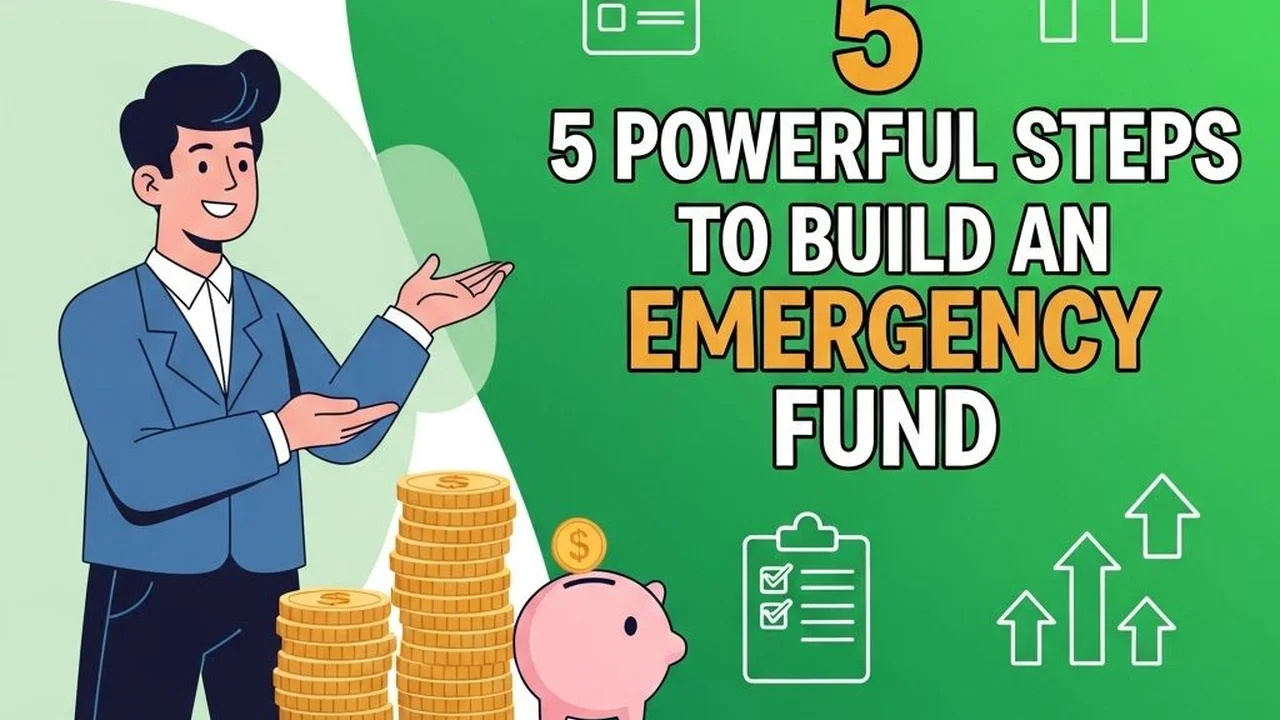
Before you dive into the stock market, make sure you have a solid emergency fund. This is non-negotiable. An emergency fund is typically 3-6 months (or even 12 months, depending on your comfort level and job security) of living expenses saved in an easily accessible, high-yield savings account. This money is for true emergencies: job loss, unexpected medical bills, major car repairs. It prevents you from going into debt when life throws a curveball.
For high-yield savings accounts, look for online banks that offer competitive interest rates. Some popular options include:
- Ally Bank: Known for its competitive rates, no monthly fees, and excellent customer service. They offer various savings tools and buckets to organize your money.
- Marcus by Goldman Sachs: Another strong contender with good rates and no fees. It's a straightforward savings account with a reputable name behind it.
- Discover Bank: Offers competitive rates, no monthly fees, and 24/7 customer service. They also have checking accounts and credit cards, making it a potential one-stop shop.
Always compare current rates, as they can change frequently.
Investing for Long-Term Wealth Accumulation
Now for the exciting part: investing! This is where your money starts making money for you. The earlier you start, the more time compound interest has to work its magic. Don't be intimidated; you don't need to be a Wall Street guru to invest effectively.
For most people, especially beginners, a diversified portfolio of low-cost index funds or ETFs (Exchange Traded Funds) is the way to go. These funds hold a basket of many different stocks or bonds, giving you instant diversification and reducing risk compared to picking individual stocks.
Here are some excellent platforms for beginners:
- Vanguard: A pioneer in low-cost index funds. They offer a wide range of ETFs and mutual funds with incredibly low expense ratios. Their S&P 500 index fund (VOO or VFIAX) is a popular choice for broad market exposure. Vanguard is ideal for long-term, passive investors.
- Fidelity: Another top-tier brokerage with a vast selection of commission-free ETFs and mutual funds, including their own zero-expense-ratio index funds. Fidelity offers excellent research tools and customer support, making it great for both beginners and more experienced investors.
- Charles Schwab: Similar to Fidelity, Schwab offers a wide array of investment options, commission-free ETFs, and strong customer service. They also have a good selection of robo-advisors if you prefer a more hands-off approach.
- M1 Finance: This platform combines automated investing with the ability to customize your portfolio (they call them 'Pies'). You can choose from expert-built portfolios or create your own. It's great for those who want some control but also appreciate automation. There are no management fees for basic accounts.
- Betterment / Wealthfront: These are popular robo-advisors. You answer a few questions about your risk tolerance and goals, and they build and manage a diversified portfolio for you. They automatically rebalance your portfolio and handle tax-loss harvesting. They charge a small management fee (around 0.25% of assets under management), but it can be worth it for the convenience and automation.
When comparing these platforms, consider:
- Fees: Look for low expense ratios on funds and minimal (or no) trading commissions.
- Investment Options: Do they offer the types of investments you're interested in (index funds, ETFs, individual stocks)?
- User Interface: Is the platform easy to navigate and understand?
- Customer Support: Is help readily available if you have questions?
Remember to utilize tax-advantaged accounts like 401(k)s, IRAs (Traditional or Roth), and HSAs (Health Savings Accounts) first. These accounts offer significant tax benefits that can supercharge your investment growth.
Step 3: Optimize Your Income and Lifestyle Design
You've got your mindset right, your budget in place, and your investments growing. Now, let's talk about accelerating the process and designing a life that truly supports your financial independence goals.
Increasing Your Income Streams
While cutting expenses is important, there's a limit to how much you can cut. There's no limit to how much you can earn! Look for ways to increase your income, whether it's through your primary job or side hustles.
- Negotiate Your Salary: Don't be afraid to ask for more! Research industry averages, highlight your accomplishments, and confidently negotiate your salary and benefits.
- Develop New Skills: Invest in yourself. Learn new skills that are in demand in your industry or a new field. This can lead to promotions, higher-paying jobs, or new entrepreneurial opportunities.
- Start a Side Hustle: This is a fantastic way to boost your income and explore new passions. Think about what skills you have or what problems you can solve for others. This could be freelance writing, graphic design, web development, dog walking, tutoring, selling crafts online, or even driving for a ride-sharing service. The internet has opened up countless opportunities for side income.
- Passive Income Streams: As you progress, explore passive income. This is money earned with minimal ongoing effort. Examples include rental properties, dividend stocks, royalties from creative works, or even creating an online course.
Mindful Spending and Lifestyle Choices
Financial independence isn't just about accumulating money; it's about having the freedom to live the life you want. This often means being intentional about your spending and avoiding lifestyle creep – where your expenses increase as your income does.
- Value-Based Spending: Instead of cutting everything, identify what truly brings you joy and value. Spend generously on those things and ruthlessly cut back on everything else. If travel is your passion, prioritize saving for trips. If dining out isn't that important to you, cook more at home.
- Question Big Purchases: Before making a significant purchase (car, house, expensive gadget), ask yourself if it aligns with your financial goals. Can you afford it comfortably? Is there a more cost-effective alternative?
- Embrace Frugality (Where it Matters): Frugality isn't about being cheap; it's about being resourceful and making smart choices. This could mean buying used items, cooking at home, finding free entertainment, or optimizing your utility usage.
- Focus on Experiences, Not Just Things: Research often shows that experiences bring more lasting happiness than material possessions. Prioritize spending on experiences that create memories and personal growth.
Remember, financial independence is a personal journey. Your path might look different from someone else's, and that's perfectly fine. The key is to stay consistent, keep learning, and celebrate your progress along the way. You've got this!
:max_bytes(150000):strip_icc()/277019-baked-pork-chops-with-cream-of-mushroom-soup-DDMFS-beauty-4x3-BG-7505-5762b731cf30447d9cbbbbbf387beafa.jpg)